
From Trafficking to Hope: Ma Phyu Phyu’s Story
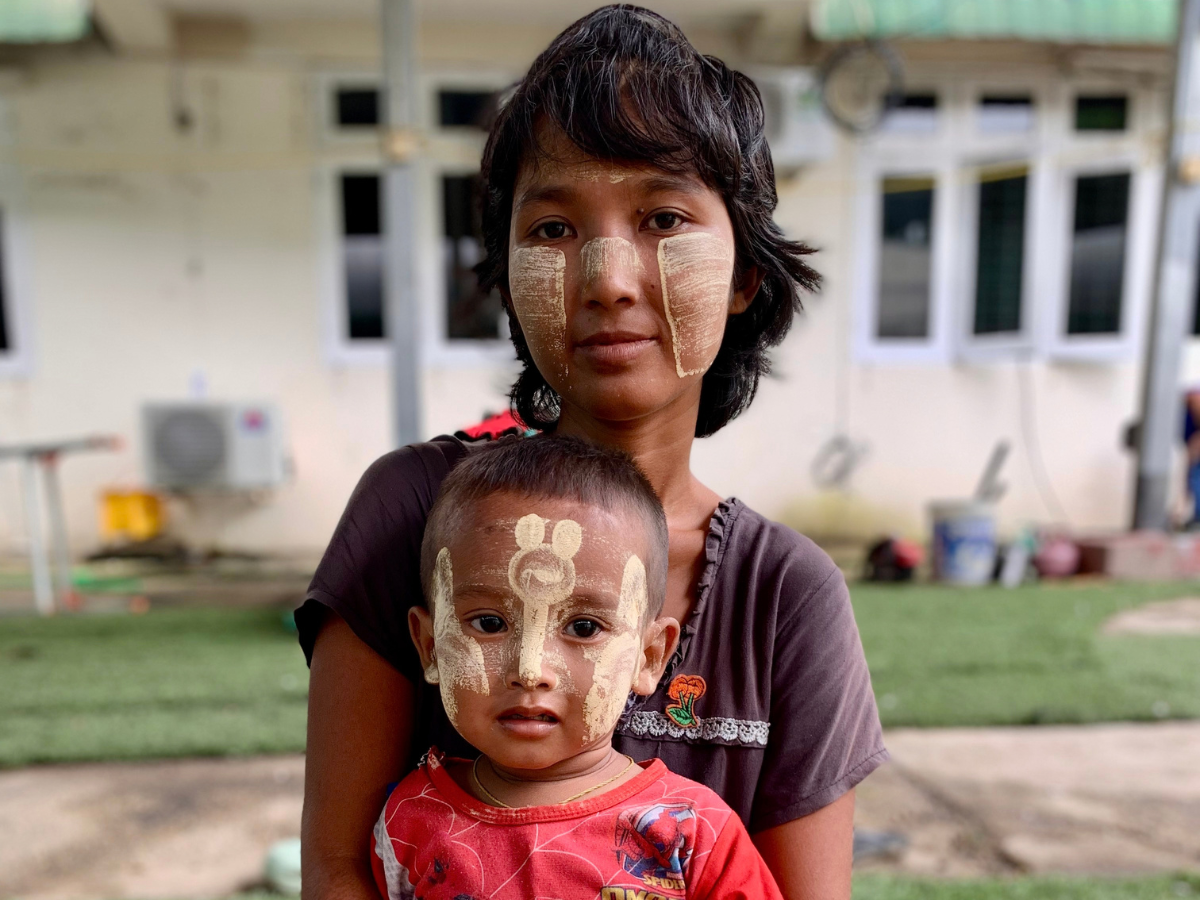
coup and ongoing civil war, have left millions of people facing displacement, poverty and food insecurity. In the midst of these challenges, women and girls remain particularly vulnerable to trafficking and exploitation. Ma Phyu Phyu knows this reality all too well.
When she was 20 years old, her family was struggling under heavy debt. A broker came to their home, offering what seemed like a way out. He promised work for Ma Phyu Phyu in China, where she could earn money and help support her family. Desperate for income and trusting his assurances, her mother agreed. In exchange, the broker gave the family the equivalent of AUD $100.
Ma Phyu Phyu was the third of eight children and had grown up in deep poverty. With little education and few opportunities available to her, she carried a strong sense of responsibility for helping her family. Believing she would be working as a housekeeper, she left home with hopes of earning an income and sending money back to those she loved. Instead, she was trafficked.
When she arrived in China, she was taken to a house and locked in a small room with no windows. For two days she was given no food. It soon became clear that she had not been brought there for employment. She had been sold as a wife.
During the day, she was forced to clean the house. At night, she endured ongoing abuse from the man who had purchased her. Completely isolated from the outside world, she had no idea where she was and no way to contact her family. High walls surrounded the property, making escape seem impossible. Days turned into weeks.
Then, in a small but significant moment, an opportunity emerged. A delivery man from Myanmar regularly brought flowers to the house. Gathering all her courage, Ma Phyu Phyu quietly asked him for help.
When he returned a month later, he noticed injuries on her body and understood the seriousness of her situation. Taking a considerable personal risk, he agreed to help. He hid her inside a large basket, covering her with flowers, and carried her out of the house. From there, he connected her with others who helped her make the long journey home.
Several weeks later, Ma Phyu Phyu finally arrived back in her village. Her family burst into tears when they saw her. They had believed she was dead.
Returning home did not bring an immediate end to her struggles. The trauma of what she had endured continued to affect her deeply. Limited support and ongoing financial pressures left her vulnerable, and at times she relied on harmful coping strategies simply to survive.
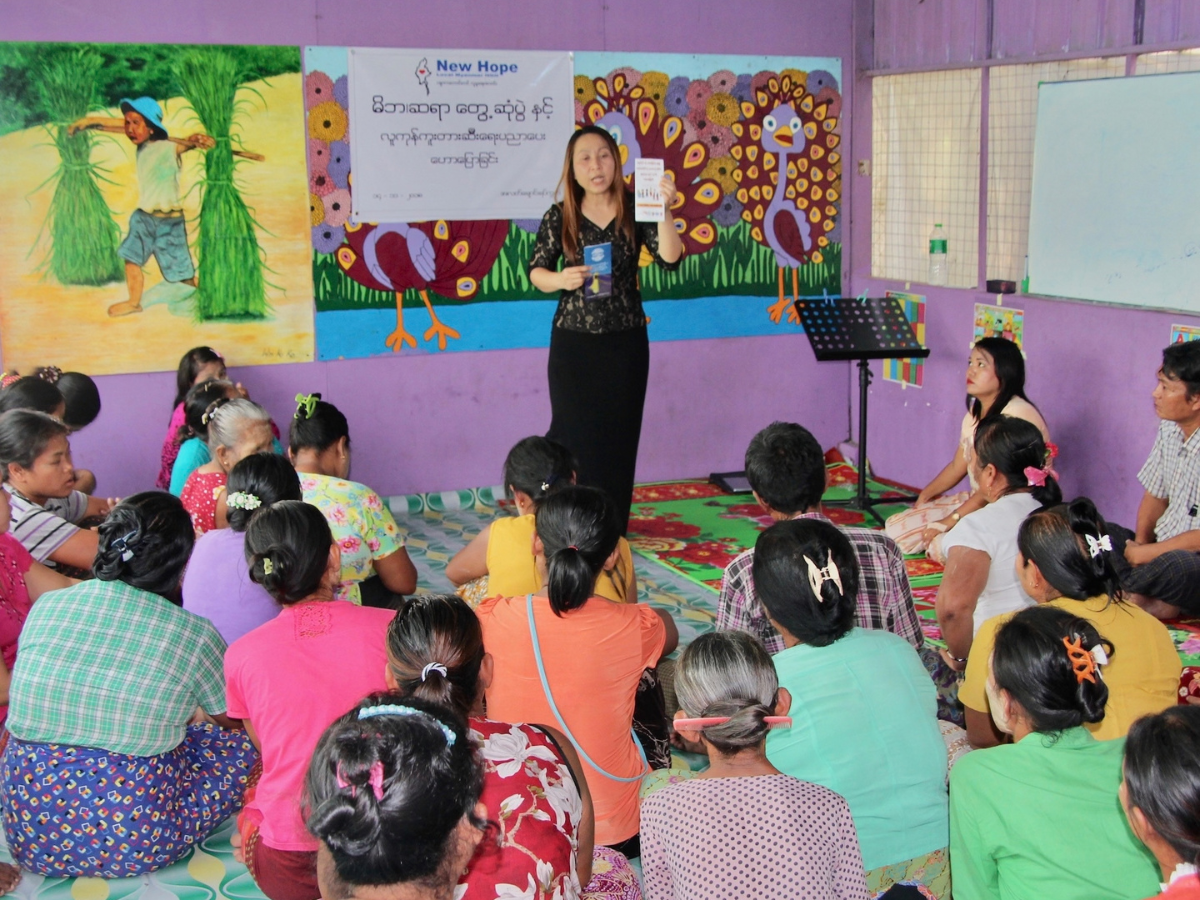
Through a local women’s support group run by one of Entrust’s project partners, Ma Phyu Phyu found a safe place to begin rebuilding her life. Surrounded by others with similar experiences, she was able to share her story, receive encouragement, and access practical support. Gradually, she has begun to regain confidence, rebuild her sense of worth, and imagine a different future.
Today, her journey of healing continues. While the scars of the past remain, she is moving toward greater stability, with renewed hope and a growing sense of possibility.
Stories like Ma Phyu Phyu’s remind us of both the devastating impact of poverty and exploitation, and the importance of local organisations walking alongside vulnerable women as they rebuild their lives. Through the support of generous donors, these programs continue to provide safety, community and hope to those who need it most.
A Village Transformed: Clean Water and Healthier Futures in Laos
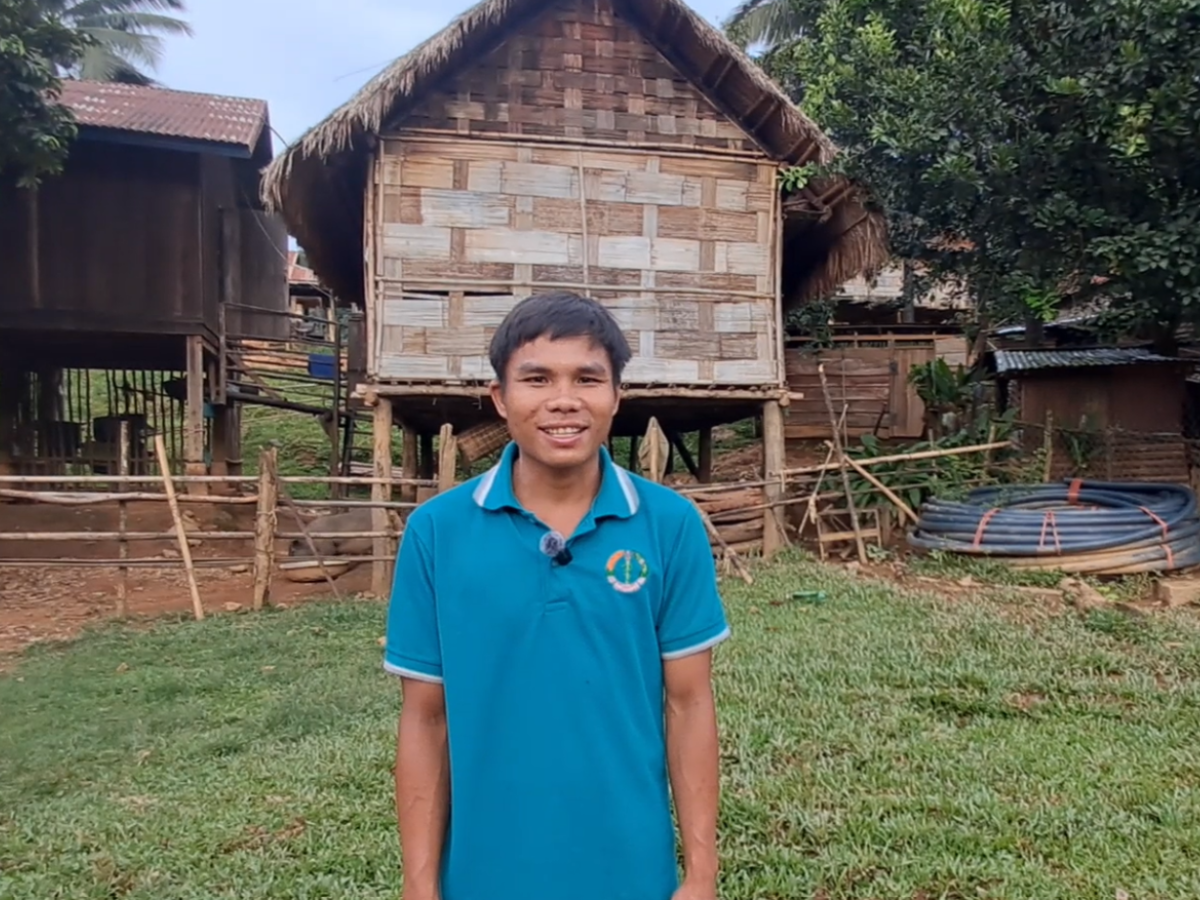
“When the river ran low during the dry season, there was often not enough water for everyone,” recalls Mr B., who has lived in the remote village of Songkhone in southern Laos his entire life.
Today, Mr B. serves as a Village Health Volunteer, helping promote health and wellbeing in his community. But he remembers a time when everyday life in the village looked very different.
For years, families in Songkhone relied on a nearby stream for almost everything. It was their source of water for drinking, bathing, washing clothes and cleaning. During the dry season, water became scarce, creating daily challenges for the entire community.
As a remote and economically vulnerable village, there were few alternatives.
“We had no support projects before,” Mr B. explains. “The stream was our only source of water. When the river nearly dried up, there was never enough water for everyone.”
The lack of sanitation facilities created additional challenges. Without toilets or latrines, people were forced to use nearby forests and open areas. Poor sanitation contributed to frequent illness and placed further strain on families already facing hardship.
Everything began to change when Entrust’s local partner started working alongside the community to address these challenges.
Rather than bringing in a ready-made solution, local people were involved throughout the process. Community members helped identify priorities, contributed labour, and worked together to build a water system that would meet their needs for years to come. This active involvement fostered a strong sense of ownership and responsibility from the outset.
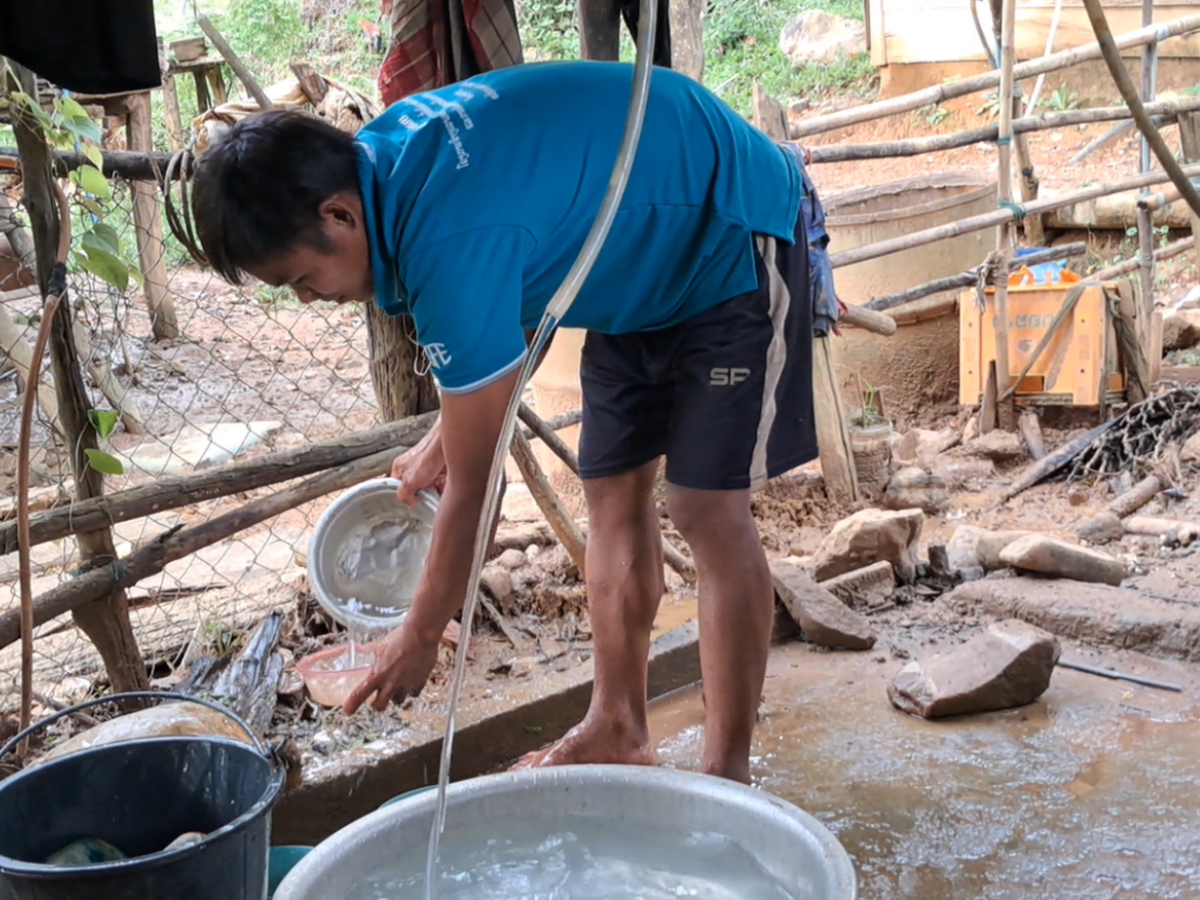
Together, villagers constructed a water system that now delivers clean water directly to households throughout the community.
“Now we have clean water at home,” says Mr B. “We can wash clothes, dishes and ourselves easily and conveniently. We no longer need to walk to the river. Everyone in the village is very happy and grateful.”
The project also supported the construction of household latrines, giving families access to safe and hygienic sanitation facilities for the first time. Community members received soap, buckets and cleaning equipment, as well as training and support to maintain good hygiene practices.
The impact has been significant.
“Before, many people were often sick,” Mr B. explains. “Now we have a safe and comfortable place to go, and disease in the village has reduced. Our village is cleaner and healthier.”
While access to clean water and sanitation may seem simple, the benefits extend far beyond convenience. Improved health means families spend less time dealing with preventable illness. Water close to home saves valuable time and energy each day. Children can grow up in a cleaner environment, and the community has a stronger foundation on which to build its future.
For Mr B., the transformation is visible not only in the infrastructure that has been built, but also in the confidence of a community that worked together to create lasting change.
Because local people were involved from the beginning, responsibility for maintaining and caring for the new facilities rests within the village itself. This community-led approach helps ensure the benefits of the project will continue long after construction is complete.
“Our whole community is very thankful for the support,” says Mr B. “The project has truly improved our health, comfort and quality of life.”
Stories like Songkhone Village’s remind us that lasting change is most effective when communities are active participants in shaping their own future. By building on local strengths, knowledge and leadership, projects like this create sustainable improvements that continue benefiting families for generations to come.