
The Impact of Trauma on Mental Health and Access to Trauma-Informed Care in Southeast Asia
Shanta – Project Manager, Entrust Foundation
Trauma, whether caused by war, gender-based violence, or human trafficking, leaves deep and lasting scars. Many of Entrust’s partners in Myanmar, Thailand, Cambodia, and Indonesia work closely with people who have lived through unimaginable experiences. On recent visits to these communities, I had the chance to speak with many of them and hear firsthand how complex and layered the mental health challenges are, especially given the socio-political realities they face. This reflection explores how trauma affects mental health and what trauma-informed care (TIC) looks like in these countries, especially in light of cultural norms, systemic barriers, and emerging solutions.
The Everyday Impact of Trauma
Trauma affects people differently. Some may experience anxiety, depression, or hypervigilance soon after a traumatic event, making it difficult to maintain relationships, keep a job, or manage daily life. Without support, these symptoms can evolve into long-term issues like PTSD, substance abuse, or chronic mental health struggles. Survivors are also at a higher risk of self-harm and suicide compared to the general population (Kiss et al., 2015).
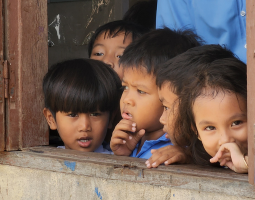
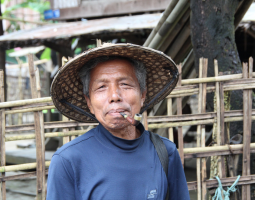
In countries like Myanmar, where armed conflict has displaced hundreds of thousands -particularly among ethnic minorities like the Karen people – the psychological toll is immense. I met some Karen students who, despite their incredible resilience and courage, spoke openly about the grief and stress that still weigh heavily on their communities. Their stories are a powerful reminder of the urgent need for meaningful support.
Gender-Based Violence and Online Exploitation
Gender-based violence (GBV) and online sexual exploitation of children (OSEC) add another layer of complexity to the mental health landscape. Survivors of domestic abuse, sexual assault, and cyber exploitation often face intense emotional fallout. In Cambodia, for instance, the rise of OSEC has affected thousands of children. UNICEF (2022) reports that around 160,000 internet-using children aged 12–17 have been exposed to clear examples of online abuse.
Cultural stigma around discussing abuse makes recovery even more challenging. Survivors often feel isolated and lack support. One of our Cambodian partners is working tirelessly to prevent OSEC, recognising that prevention is key to protecting children from long-term mental health consequences.
Human Trafficking: A Global Crisis with Personal Costs
Human trafficking is one of the most profitable criminal industries in the world, second only to drug and arms trafficking. The International Labour Organisation (2024) estimates it generates around $236 billion annually and affects nearly 50 million people, including 12 million children.
The trauma experienced by trafficking survivors is profound. Many report symptoms of complex PTSD, which can include emotional instability, difficulty forming relationships, and a fractured sense of identity. Entrust works with partners across Southeast Asia to tackle human trafficking from multiple angles – prevention, rescue, legal action, vocational training, and counselling.
One partner’s investigative team spends evenings collecting evidence to prosecute traffickers. I joined them for a briefing where they showed us footage from outside the home of a paedophile and his victims. They played it without sound, explaining that the children’s screams were too distressing to hear. The emotional toll of this work is staggering, not just for the survivors, but also for those trying to help.
Why Mental Health Support Is Still So Hard to Access
Even though mental health is starting to receive more attention across Southeast Asia, stigma remains a major barrier. In many communities, mental illness is still seen as a personal weakness or even a spiritual imbalance. A study in the Philippines (Carlson et al., 2023) found that suicide is often viewed as “taboo” or “attention-seeking”, ideas that reflect broader misconceptions about mental health. These beliefs can cause shame and prevent people from seeking help.
Patriarchal norms also play a role, especially when it comes to gender-based violence. Survivors are often blamed for what happened to them, which discourages them from speaking up or seeking support. In places such as Indonesia and Laos, survivors of sexual violence may even face legal consequences or social exclusion.
Economic factors also play a role. In many low- and middle-income countries across Southeast Asia, mental health services are underfunded and hard to access, especially in rural areas. According to the World Health Organisation (2020), there are only 2.8 mental health workers per 100,000 people in Southeast Asia, compared to 44.8 in Europe, which is a significant difference.
Mental Health Services Across the Region
Mental health care in Southeast Asia varies widely. While wealthier countries like Thailand have made progress, including efforts to incorporate trauma-informed care into their health systems, stigma still poses a significant barrier to accessing services.
In countries like Myanmar and Laos, resources are scarce, and mental health often isn’t a priority, especially in conflict zones where the need is greatest. Myanmar, for example, has millions of people living with untreated trauma, and in many areas, mental health services are virtually non-existent.
Encouragingly, countries such as the Philippines and Indonesia are beginning to invest more in mental health. The Philippines passed a Mental Health Act in 2018, which was a big step forward. It guarantees the right to mental health care and aims to improve access. However, implementation has been patchy, mostly due to limited funding and a shortage of trained professionals.
Trauma-Informed Care: What It Is and Why It Matters
Trauma-Informed Care (TIC) is all about recognising how trauma affects people and making sure that care is delivered in a way that feels safe, respectful, and empowering. It’s not just about treating symptoms – it’s about understanding the whole person and their experiences.
TIC is built on the principles of safety, trust, transparency, peer support, collaboration, and empowerment. Cultural sensitivity is also key, especially in diverse countries like Indonesia and the Philippines, where understanding local customs and beliefs is essential for effective care. This approach helps prevent re-traumatisation and encourages survivors to engage in their own healing. It’s compassionate, non-judgmental, and designed to build resilience. We have witnessed firsthand how TIC can transform lives, especially for survivors of intimate partner violence.
Barriers to Implementing Trauma-Informed Care
Despite its benefits, trauma-informed care isn’t widely available across Southeast Asia. One of the biggest challenges is the lack of trained professionals. Many healthcare workers haven’t received formal training in trauma care, which can lead to misdiagnoses or inadequate support.
Systemic issues also play a role. Healthcare systems are often underfunded, and services tend to be concentrated in urban areas, leaving rural communities without access. Cultural resistance to discussing mental health and the stigma surrounding trauma continue to slow progress. That’s why advocacy and awareness campaigns, such as those led by Entrust’s partners, are so important. They’re helping to shift perceptions and build momentum for change.
Signs of Hope: What’s Working and What’s Next
Despite the challenges, there are promising developments. Grassroots organisations and NGOs are leading the way in bringing trauma-informed care to underserved communities. For example, Entrust is working with a coalition of Indonesian anti-trafficking organisations to deliver a certification program for 29 participants. The training introduces Integrative Somatic Expressive Arts for Trauma and Trafficking (ISEATT), which helps stabilise the nervous system, build resilience, and ease post-traumatic stress symptoms. The program includes trauma-sensitive counselling techniques, hands-on practice, and clinical supervision to ensure the methods are applied effectively in shelters and service centres. This is one example of Entrust’s partners supporting survivors of trafficking and GBV through counselling, vocational training, capacity building, and community reintegration.
Schools are also starting to adopt trauma-sensitive practices. As Casale et al. (2024) put it, “schools must serve as resilient, protective environments” for children affected by trauma. By shifting away from punitive discipline and toward empathetic strategies, schools can become safe spaces for healing. While this field is still emerging in Southeast Asia, there’s growing interest and optimism.
Technology is another area of progress. Telemedicine and mobile health apps are helping bridge gaps in access, especially in remote areas. In Indonesia, platforms like Riliv, Bicarakan.id, and Psikologimu are making mental health care more affordable and accessible. These tools, including social media, play a key role in education and awareness, helping Entrust’s partners reach more people with vital information about trafficking and online exploitation.
Governments are slowly starting to prioritise mental health. Thailand has integrated mental health services into its universal healthcare scheme, and Cambodia’s Ministry of Health is working with international organisations to improve policy and infrastructure. Yet only 0.5% of health spending in Southeast Asia is allocated to mental health, highlighting how much progress still needs to be made.
Looking Ahead
The impact of trauma on mental health in Southeast Asia is profound, intersecting with cultural beliefs, economic realities, and systemic challenges. However, there is reason for hope. Trauma-informed care is gaining traction and Entrust is proud to partner with organisations that are breaking down stigma, building capacity, and creating culturally sensitive solutions.
Together, we’re working toward a future where survivors of trauma are met not with silence or shame, but with compassion, understanding, and care.