Resilient Indigenous Livelihoods - Year 1
Code:
KHM-NCE-RIL-P01
Country:
CambodiaCause:
Economic EmpowermentPopulation:
16.9 MillionHuman Dev Index:
#148 (Aus #10)Overview
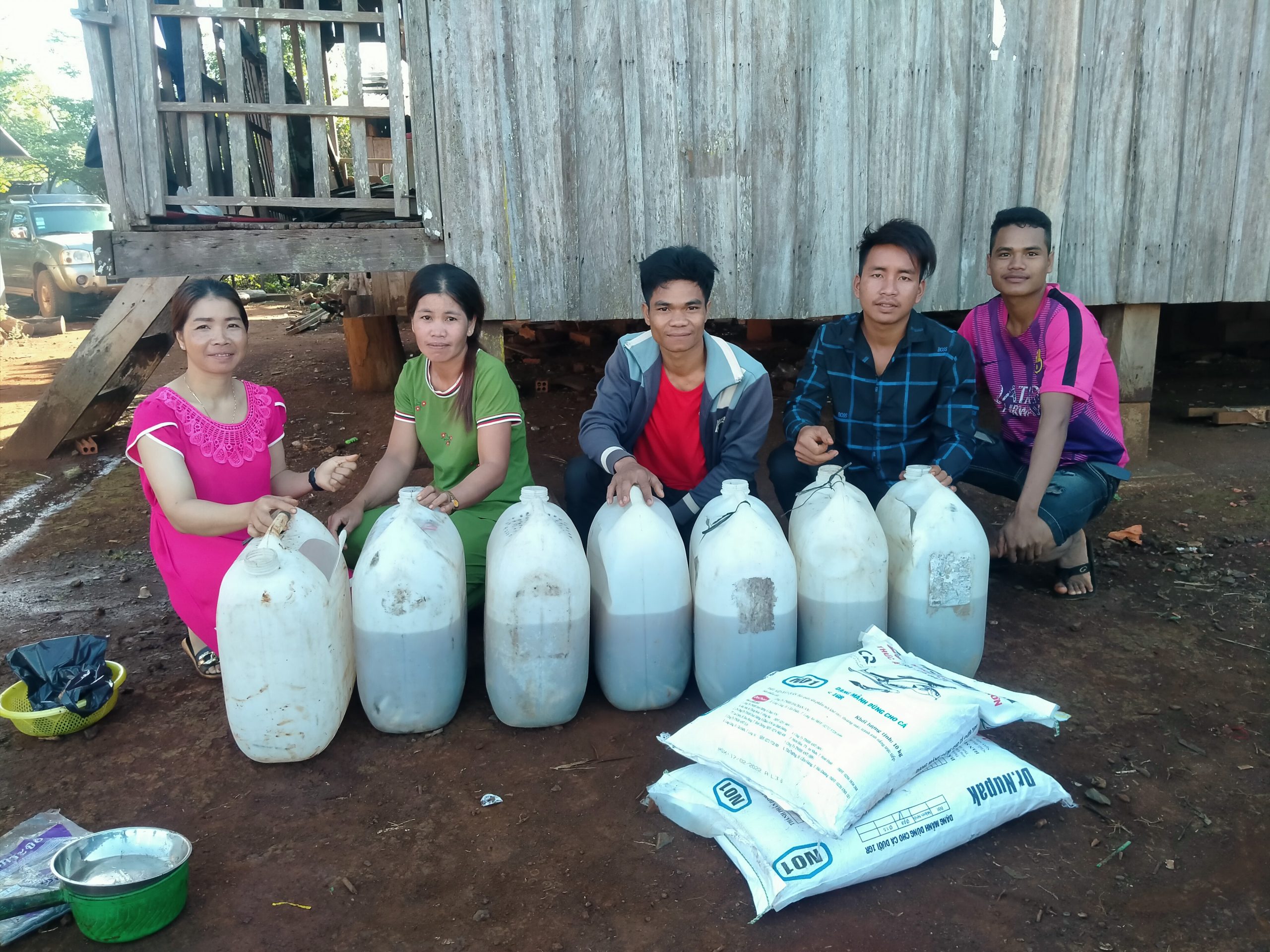
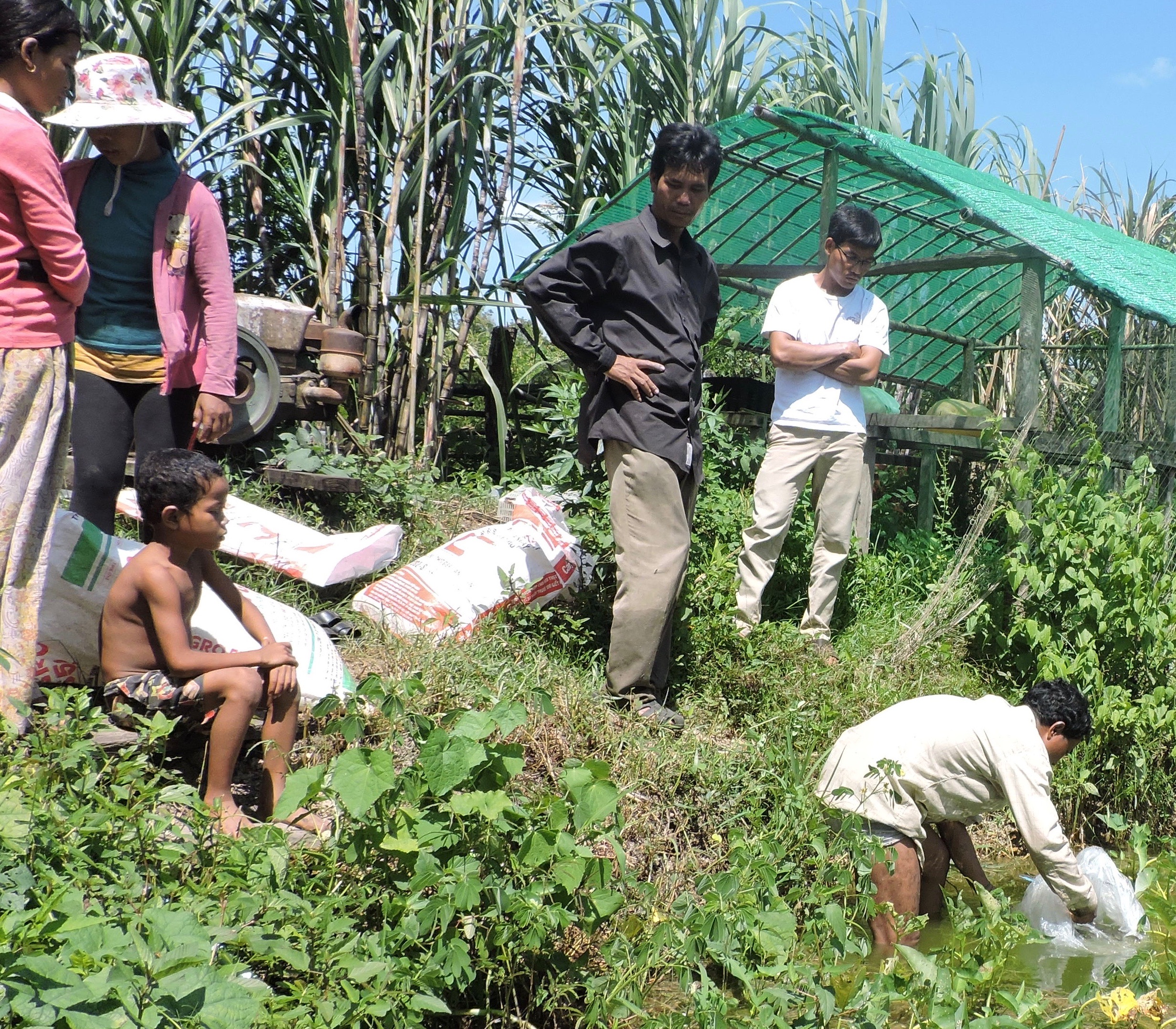
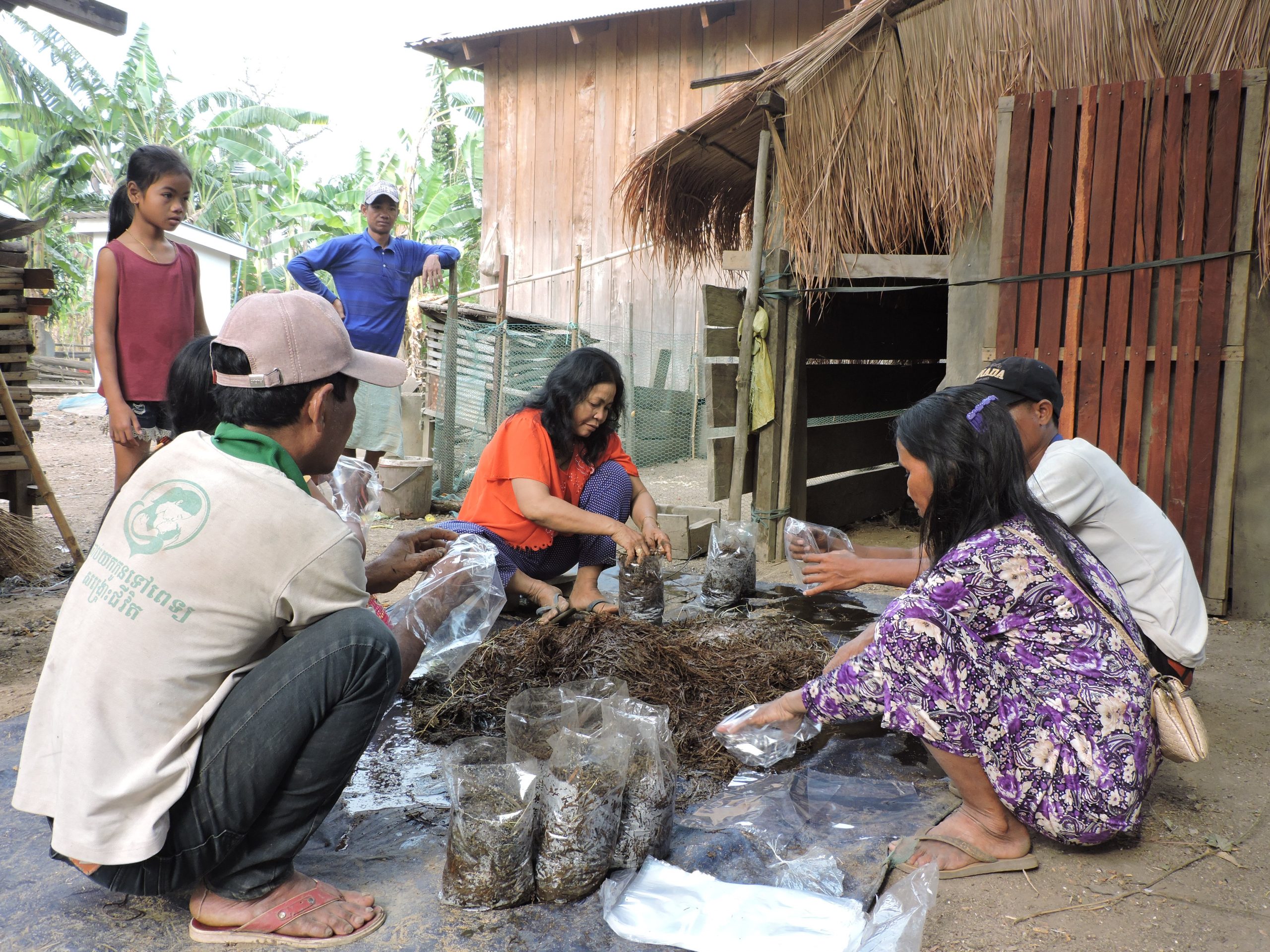
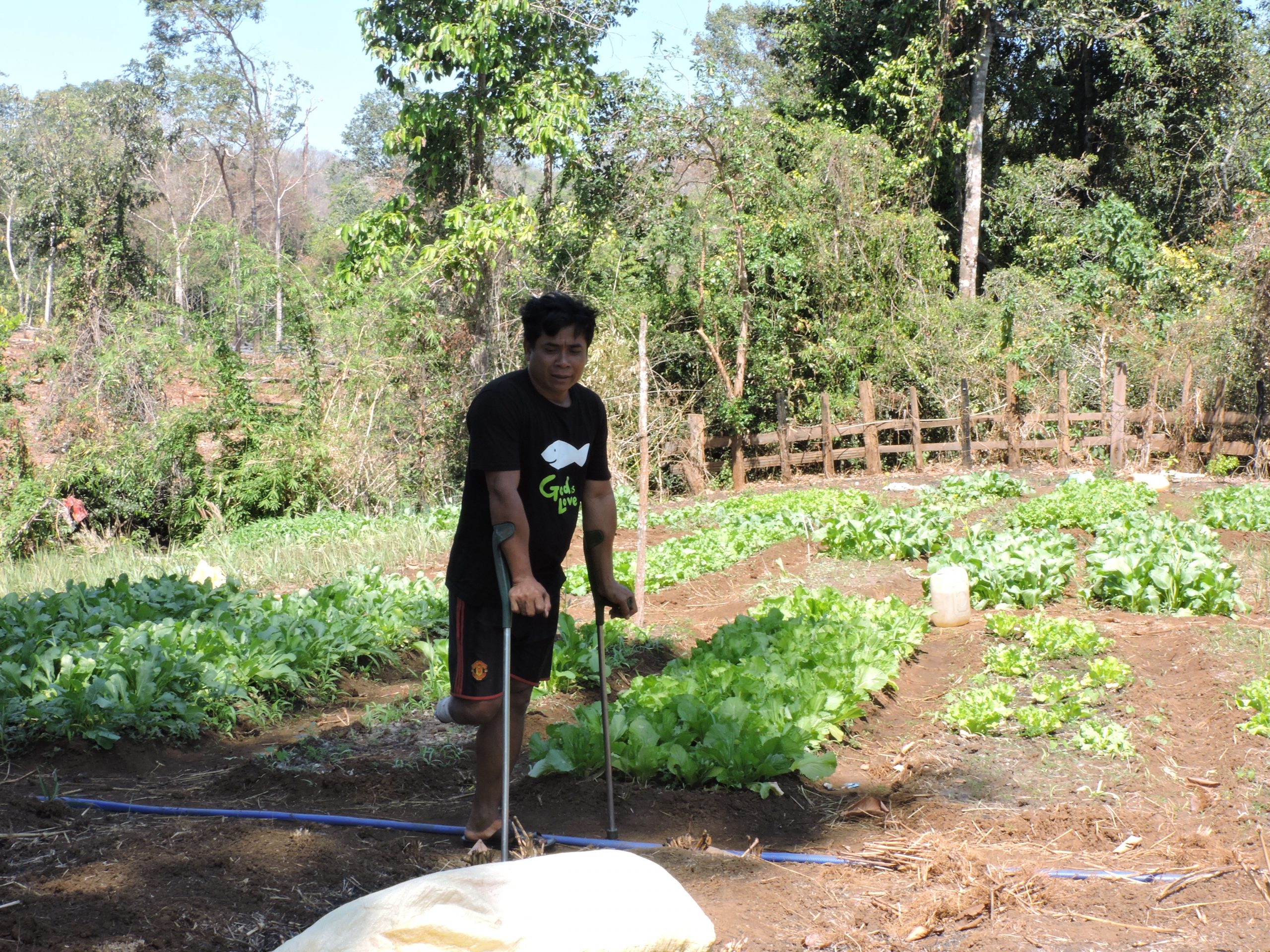
Mondulkiri province, located in Cambodia’s north-eastern highlands near the Vietnamese border, is home to many indigenous communities, primarily the Bunong people. Deeply connected to the forest both culturally and economically, these communities remain among the poorest in the country. Our partners are supporting innovative indigenous farmers to build sustainable livelihoods by using appropriate technologies and local resources. They collaborate with communities to identify resilience strategies, enhance small-scale farming, strengthen farmer cooperation and organisation, and mobilise collective efforts for forest protection and economic empowerment through rights-based approaches.
Why support this
Our partner is deeply committed to a community-led approach to education and development that honours indigenous culture and supports self-determination. Together, they aim to strengthen community engagement and collaboration to promote sustainable indigenous livelihoods and culturally relevant education, grounded in the use of local mother tongues. The project addresses key barriers to economic empowerment and equips communities to adopt more sustainable farming practices. It also addresses pressing environmental challenges—such as the decline of non-timber forest products and the impacts of climate change—as well as social issues including limited access to education, indebtedness to microfinance institutions, and substance abuse.
Budget
$38,000 for Year 1 of a 3yr project. Total budget $114,000.
Objectives Include
- Training seminars and workshops for farmers
- Innovative livelihood ventures
- Support sustainable farm practises
- Improve small-scale farming and seed bank
Expected Life Change
- Indigenous farmers strengthen their livelihoods through sustainable practices and enhanced agricultural knowledge and skills
- Innovative farmers lead the way by networking, collaborating, and building solidarity within and between communities to drive sustainable agricultural transformation